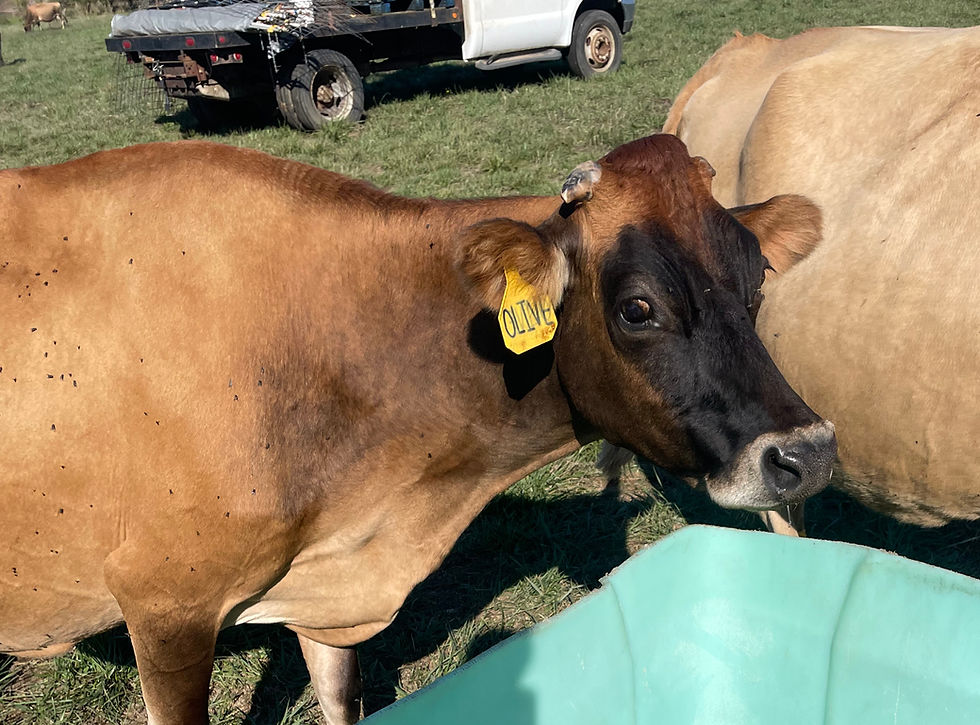
CSA members support year-round farming

Updated: Jan 5
In the winter we might run low low on a few popular cuts of beef and chicken. It is also a time of year with scant locally-produced vegetables. We are sorry this happens but it is a natural part of having a small and hyper-local operation.
It also points to why the CSA model helps sustain small farmers throughout the low seasons of the year: when we have less to sell, the monthly subscriptions of our members take on new importance for us.
Summer pasture Summer pasture Sheep in the spring Beef cattle Chickens on pasture Chickens on pasture Winter pasture
In the year-long cycle of life, animals do most of their growth and build-up of fat reserves in the summer. Then in the winter, when the food they forage is less nutritious and the temperatures are so much lower, they use that stored energy to sustain themselves. We feed our animals well during the winter, but the lack of rich fields and the cold temperatures do affect them.
As for the chickens, they are particularly sensitive to winter temperatures. We raise the CRX and Red Rangers only during the warmer months. We start the chicks inside in barns during the spring and then move them to pasture when they are mature enough and when the temperatures are warm enough. And while the laying hens are cold-hardy in adulthood, their productivity slows during the darker and colder months of the year.
Given this rhythm, harvesting of animals is usually done in the late summer and fall, so it is natural for us to have less on hand during late winter and early spring. This is a good time to try out items such as roasts which we usually have in plentiful supply. Also available are lamb cuts, pork chops, osso buco and organs like tongue and heart. Ground pork, lamb and beef are also in stock. Please also consider the budget friendly item of bones for making soup.
This is why year-long subscriptions are important for our business. Local farming is seasonal, but farmers still care for the land and animals year-round. Think of fall’s abundance—veggies, fruits, turkeys, and traditional harvest celebrations. Members spend more on CSA products during these times. But in winter, we’re still milking cows and feeding animals. The farmers need to sustain their employees, land, and animals during the lean times. The work never stops.
But it isn't only about our needs. There are upsides to practicing seasonal eating throughout the year. It is obvious to everyone that during the winter in Oregon we can’t have locally grown hot-weather crops. Many choose to eat storage vegetables and different cuts of meat than they would during the summer.
These choices can actually be a healthy way to get more nutritional variety in your diet. Those who choose to eat different foods in the winter than they would in the summer are exposed to a wider spectrum of nutrients, which helps prevent deficiencies and supports overall immunity. Also, eating only fresh food means you ingest fewer preservatives, artificial ripening agents, and pesticides.
Fermented foods are also highly beneficial. Fermenting augments the flavor of foods you may not usually be drawn to, and extends the shelf life of summer crops. And the beneficial bacteria produced in fermentation will improve your gut microbiome with more diversity. Those good bacteria and the variety of fiber, antioxidants and phytochemicals in seasonal foods are linked to lower risks of disease, cancer and digestive issues.
Simply put: Pausing or canceling in winter means benefiting from the CSA membership without fully engaging with the rhythm of keeping a farm going all year. It disrupts the production model and shifts the burden onto those who stay committed. Add in the personal health benefits to seasonal eating and your year-long membership becomes a benefit to all of us.
Farmers rely on consistent income to support our animals, infrastructure and employees through the winter. This makes a world of difference for us and we appreciate it greatly!